1 Powerful Cash Wrap Revit Family Tips
Introduction
Retail spaces require careful planning to ensure smooth customer experiences and efficient store operations. One of the most important elements in any retail environment is the checkout counter or cash wrap area. A well-designed cash wrap not only supports billing and customer service but also helps maintain organized store traffic and efficient product handling.
For architects, interior designers, and BIM professionals, using a high-quality Cash Wrap Revit Family can make retail projects more accurate and professional. This article explores 1 Powerful Cash Wrap Revit Family Tips and explains how this family can improve retail space planning, commercial interior design, and BIM workflows.
Whether you are working on a boutique, grocery store, shopping mall retail unit, or commercial showroom, understanding 1 Powerful Cash Wrap Revit Family Tips can help you create detailed and presentation-ready Revit models.
What Is a Cash Wrap Revit Family?
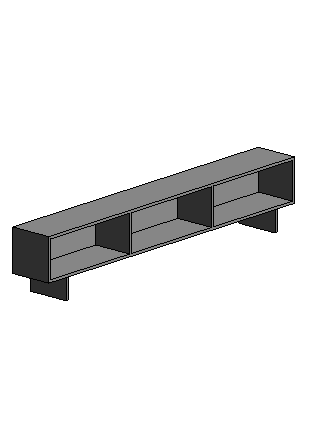
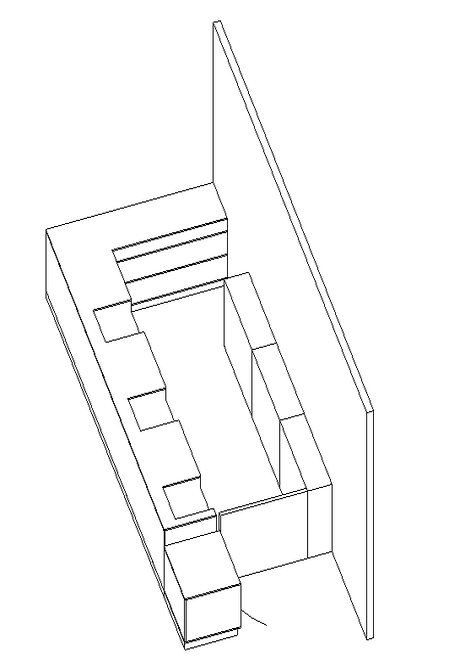
A Cash Wrap Revit Family is a BIM component used to represent a retail checkout counter within Autodesk Revit projects. It typically includes the cashier station where customer transactions, product scanning, payment processing, and customer service activities take place.
Retail designers frequently use this family when developing store layouts because it provides an accurate representation of the checkout area while supporting efficient space planning. Following 1 Powerful Cash Wrap Revit Family Tips allows project teams to create realistic retail environments without spending time modeling checkout counters from scratch.
Common Applications
This family is suitable for various commercial projects, including:
- Fashion boutiques
- Grocery stores
- Shopping malls
- Retail showrooms
- Convenience stores
- Specialty retail shops
- Commercial interior projects
The flexibility of the family makes it useful for both small and large retail developments.
Benefits of Using a Cash Wrap Revit Family
One of the key advantages highlighted in 1 Powerful Cash Wrap Revit Family Tips is the ability to improve project efficiency while maintaining design accuracy.
Instead of manually creating checkout counters, designers can place a professionally developed family into the project and focus on overall store planning.
Accurate Retail Space Planning
The Cash Wrap Revit Family helps establish realistic checkout zones within a retail environment. Designers can accurately determine customer circulation paths and employee work areas.
Improved BIM Documentation
Detailed families contribute to better project documentation by providing accurate geometry and dimensions. This helps improve drawing quality and project coordination.
Faster Project Development
Using a ready-made family significantly reduces modeling time, allowing teams to complete projects more efficiently.
These benefits demonstrate why many BIM professionals consider 1 Powerful Cash Wrap Revit Family Tips an important part of retail project development.
How a Cash Wrap Family Improves Store Layouts
A checkout counter is often one of the most visible features within a retail store. Its location can influence customer flow, employee efficiency, and overall shopping experience.
Applying 1 Powerful Cash Wrap Revit Family Tips can help designers create practical and visually appealing retail layouts.
Better Customer Experience
A properly positioned cash wrap helps customers locate the checkout area quickly and reduces congestion during busy periods.
Enhanced Employee Efficiency
The family provides a realistic representation of cashier workspaces, making it easier to evaluate operational requirements during the design process.
Professional Presentations
Retail clients often appreciate realistic BIM models that clearly illustrate store operations. A detailed cash wrap family makes presentations more professional and easier to understand.
Best Practices for Using Cash Wrap Revit Families
To maximize the benefits of 1 Powerful Cash Wrap Revit Family Tips, designers should follow several best practices.
Place the Cash Wrap Strategically
The checkout counter should be located where it is visible to customers while supporting efficient movement throughout the store.
Coordinate with Store Fixtures
The cash wrap should work seamlessly with shelving, display units, product aisles, and entrance areas.
Maintain Accurate Dimensions
Using realistic dimensions helps ensure the checkout area functions properly and meets project requirements.
Consider Future Expansion
Retail environments often evolve over time. Designing flexible checkout areas can support future modifications without major redesign efforts.
Why BIM Professionals Use Cash Wrap Revit Families
Many architects and BIM specialists rely on detailed Revit families to improve project quality and efficiency.
By applying 1 Powerful Cash Wrap Revit Family Tips, designers can create more organized BIM models while reducing repetitive modeling tasks.
The family supports:
- Accurate retail planning
- Improved documentation
- Better project visualization
- Faster workflow execution
- Professional client presentations
These advantages make the Cash Wrap Revit Family a valuable asset for commercial interior projects.
Conclusion
Understanding 1 Powerful Cash Wrap Revit Family Tips can help designers create more effective retail environments and professional BIM models. A Cash Wrap Revit Family provides a realistic checkout counter layout suitable for boutiques, grocery stores, shopping malls, and other commercial interiors.
From improving customer flow and supporting billing operations to enhancing BIM documentation and project presentations, this family plays an important role in modern retail design. By applying 1 Powerful Cash Wrap Revit Family Tips, architects and BIM professionals can deliver organized, accurate, and presentation-ready Revit projects that meet both operational and design goals.
For more information click here